
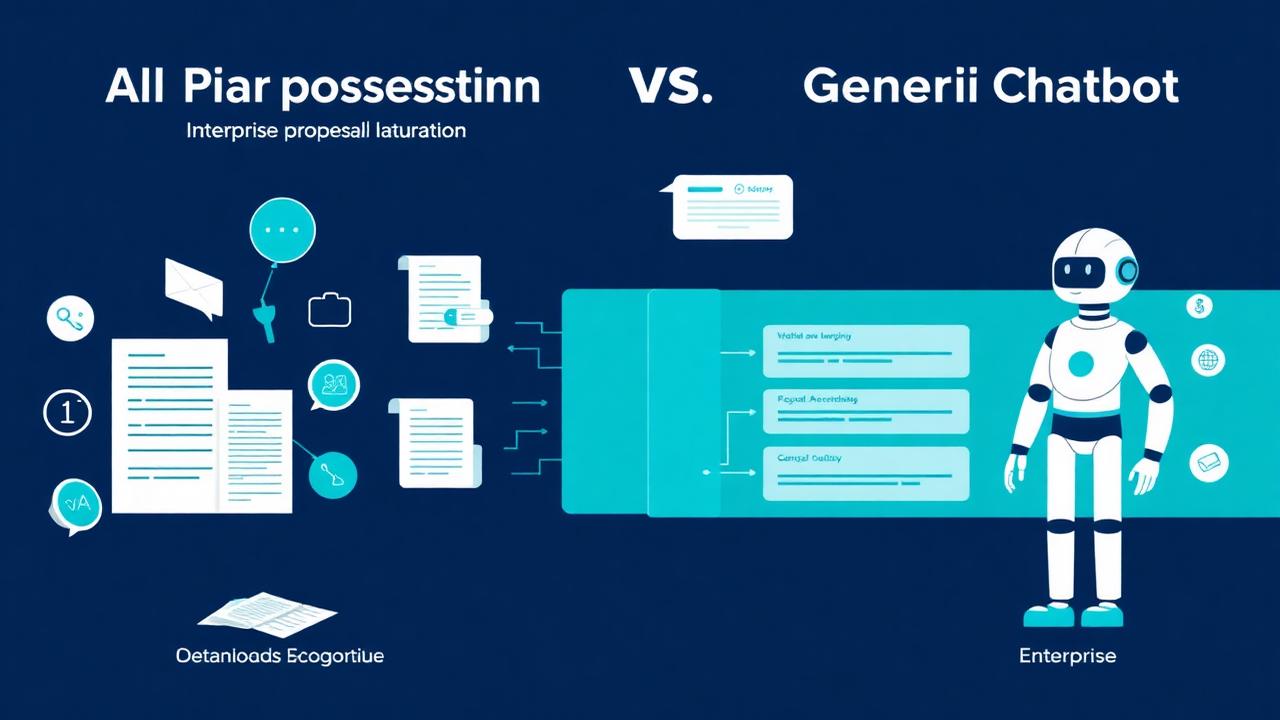
Most teams experimenting with ChatGPT for proposal writing have had the same experience. It's fast, it sounds polished, and it can help get a first draft on the page. But very quickly, the limitations start to show. You're still digging through old proposals to find relevant project examples. You're still copying and pasting resumes. You're still trying to remember how you positioned a similar pursuit last year. And every response, no matter how well written, feels like you're starting from scratch.
The Real Problem Isn't Writing
The issue isn't the quality of the writing. It's that proposal development isn't just a writing problem-it's a knowledge and context problem. ChatGPT doesn't know your firm, your past work, or what has actually helped you win. It doesn't understand which projects are most relevant to a specific RFP, or where your experience is strong versus where you may have gaps.
What Changes with IQ‑Pursuit
IQ‑Pursuit takes a fundamentally different approach. Instead of treating proposals, resumes, and RFPs as unstructured documents, it breaks them down into structured components-projects, roles, experience, services, and outcomes-and stores them in a way that AI can actually use.
A Searchable, Structured Knowledge Database
One of the most immediate differences teams notice is the shift from searching for content to querying intelligence.
IQ‑Pursuit automatically builds a structured, searchable database of:
- Projects - scope, value, location, delivery method, outcomes
- Resumes - roles, experience, certifications, project history
- Past proposals - positioning, win themes, differentiators
This isn't just document storage. It's normalized, AI-ready data.
This becomes the foundation for everything else-matching, drafting, and ultimately, better proposals.
From Searching to Knowing
When a new opportunity comes in, the platform doesn't just help you write. It understands what you've done before and surfaces the most relevant experience automatically. It can show you which past proposals are closest to the current pursuit, where your strengths are, and where you may need to strengthen your response.
Drafting That's Grounded in Reality
The drafting itself changes as a result. You're no longer asking an AI to "write a proposal response" in a vacuum. You're generating responses that are grounded in real projects, real resumes, and proven positioning.
Because the system is pulling from structured data, it can:
- Insert the most relevant projects automatically
- Align resumes to the scope of work
- Reinforce differentiators that actually matter
The Difference That Actually Matters
In practice, the difference is straightforward. ChatGPT helps you write faster. IQ‑Pursuit helps you stop rebuilding proposals from scratch and start compounding what you already know.
Over time, that shift-from isolated documents to structured, reusable intelligence-is what drives consistency, efficiency, and ultimately better outcomes in competitive pursuits.
IQ‑Pursuit vs ChatGPT
| Capability | ChatGPT | IQ‑Pursuit |
|---|---|---|
| Draft proposal responses | ||
| Understand your firm's experience | ||
| Structured database of projects & resumes | ||
| Searchable, queryable knowledge base | ||
| Match relevant past proposals automatically | ||
| Identify strengths & gaps for each pursuit | ||
| Insert best-fit projects and resumes | ||
| Build institutional knowledge over time | ||
| Improve win strategy and positioning | Limited |
Final Thought
If your team is using ChatGPT today, you're already moving in the right direction. But the next step isn't just better prompts-it's a better system.
IQ‑Pursuit turns your past work into a structured, searchable, and reusable asset. And once that foundation is in place, everything else-from drafting to strategy-starts to work the way it should.
Ready to win more pursuits with AI?
Join hundreds of AEC teams already saving hours every week.